
How to Turn Sawdust into Biomass Fuel Briquettes?
Turning sawdust into biomass fuel briquettes is an effective way to recycle wood waste and produce solid fuel for heating and industrial applications.
With a suitable sawdust briquette machine, sawmills, furniture factories, and biomass fuel producers can convert loose sawdust into compact briquettes that are easier to store, transport, and use. Understanding the production process is essential for improving briquette quality and production efficiency.
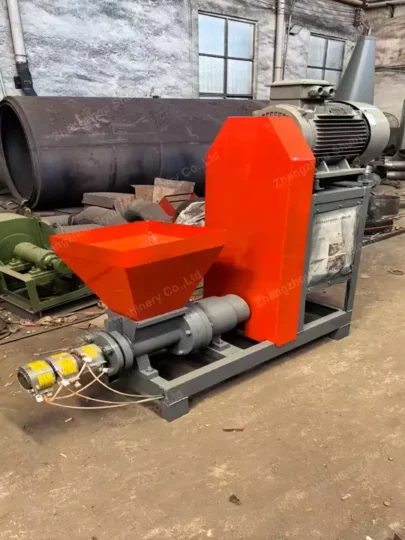
Collect and Prepare the Sawdust
The first step is to collect sawdust from sawmills, woodworking shops, furniture factories, or other wood-processing operations.
Before briquetting, remove stones, metal pieces, plastic, and other impurities. Large wood chips may need to be crushed into smaller particles to ensure consistent feeding and compression.
The raw material should also have a relatively uniform particle size. Proper preparation helps the sawdust briquette machine produce dense, stable briquettes.
Dry the Sawdust to the Right Moisture Content
Moisture content directly affects the quality of biomass fuel briquettes. Sawdust that is too wet may produce weak briquettes, while excessively dry material may not bind effectively in some briquetting processes.
For many sawdust briquetting applications, a moisture content of approximately 8%–12% is a useful starting point. However, the ideal range depends on the machine type, raw material, and production conditions.
If the sawdust contains too much moisture, use a sawdust dryer before briquetting. A rotary dryer or other suitable drying system can help achieve a more consistent moisture level.
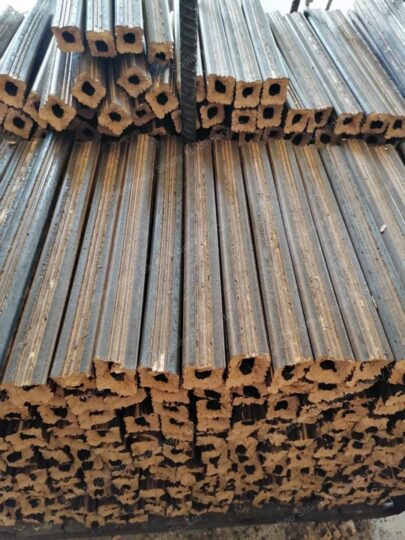
Compress the Sawdust into Briquettes
After preparation, feed the sawdust into a sawdust briquette extruder machine. The machine applies mechanical pressure to compress the loose material into solid briquettes.
Different machines use different compression methods. Screw-type briquetting machines use a rotating screw to push and compress the material, while hydraulic or other press systems use different mechanisms to form compact products.
Some machines rely on the natural binding properties of wood under heat and pressure, while other materials or processes may require additional binders. The appropriate method depends on the equipment and raw material.
Briquette diameter, shape, density, and output capacity vary by machine model. Choose equipment according to your required production volume and final fuel specifications.
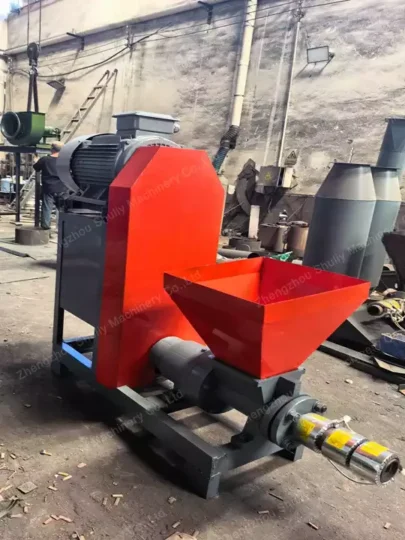
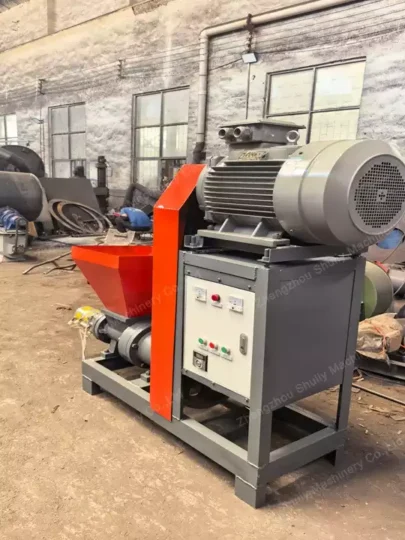
Cool and Store the Finished Briquettes
Freshly produced briquettes may be hot and need time to cool and stabilize before packaging. Allow sufficient cooling and avoid damaging the briquettes during handling.
Store the finished biomass fuel briquettes in a dry, well-ventilated area. Protect them from rain and ground moisture to maintain their strength and combustion performance.
Proper storage also helps reduce breakage during transportation.
Choose the Right Sawdust Briquette Machine
Selecting the right equipment is important for establishing an efficient biomass fuel production process. Before purchasing a sawdust briquette machine, consider the following factors:
- Raw material: Sawdust type, particle size, and moisture content.
- Production capacity: Required output per hour or per day.
- Briquette specifications: Desired diameter, shape, density, and intended use.
- Supporting equipment: Crusher, dryer, conveyors, and cooling or packaging equipment.
- Power requirements: Available voltage, frequency, and electricity supply.
For small woodworking businesses, a standalone briquetting machine may be sufficient. Larger biomass fuel plants may benefit from a complete sawdust briquette production line.
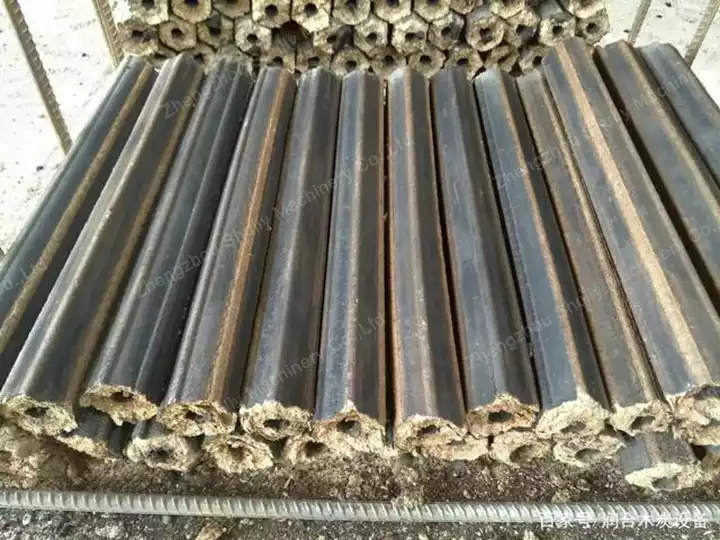
Looking for a suitable sawdust briquette machine? Contact us with your raw material type, moisture content, and required capacity. We can help you identify suitable equipment for your biomass briquette production needs.
Τα σχόλια έχουν κλείσει.