
เศษวัสดุชีวมวลใดบ้างที่สามารถรีไซเคิลได้โดยเตาเผาไหม้ถ่าน?
A carbonization furnace kiln is a new type of biomass renewable energy processing equipment. It can produce high-quality charcoal resources by processing biomass waste, and can effectively solve the problem of coal combustion. We all know that carbonization furnaces are widely used, but which biomass waste can be recycled and reused by the charcoal machines?
ทำไมเตาถ่านถึงได้รับความนิยมในตอนนี้?
As an environmental protection machine, the เตาคาร์บอไนซ์ชัน has very good market potential. The charcoal products processed by the charcoal making machine have low cost, large profit margins, and far lower than the price of raw coal, so they are more suitable for the market prospect of modern mechanical equipment development.
เครื่องทำถ่านเป็นเครื่องจักรที่บดวัตถุดิบเช่น กะลามะพร้าว, เปลือกถั่วลิสง, ฝักข้าวโพด ฯลฯ ผ่านเครื่องบดชิ้นไม้ให้เป็นเกล็ดขนาดไม่เกิน 10 มม. หลังจากทำให้แห้งและอบแห้งแล้ว นำไปใส่ในเตาเผาไหม้เพื่อการคาร์บอไนซ์. ชุดอุปกรณ์สำหรับเครื่องทำถ่านประกอบด้วยเครื่องทำเส้น, เตาเผา, เครื่องอบแห้ง และอุปกรณ์อื่น ๆ มีลักษณะเป็นโครงสร้างง่าย, การใช้งานสะดวก, ขนาดเล็ก, พื้นที่ใช้งานน้อย, ประหยัดแรงงานและพลังงาน. แล้วเศษวัสดุชีวมวลชนิดใดบ้างที่เตาเผาไหม้เปลือกไม้สามารถแก้ปัญหาได้?
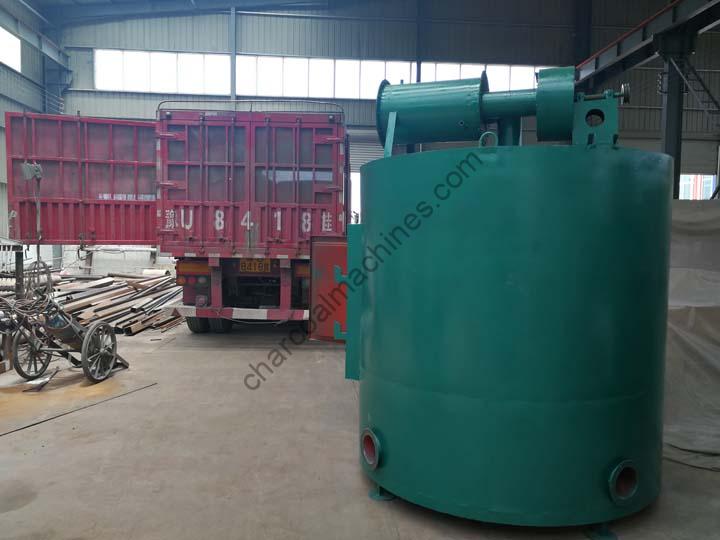
วัสดุชีวมวลที่สามารถเผาให้เป็นถ่านโดยเครื่องถ่านไม้
วัตถุดิบสำหรับการทำถ่านมีเกือบ 70 ชนิด เช่น ขี้เถ้าข้าว, ฟาง, กิ่งไม้, ขี้เลื่อยไม้ไผ่, เปลือกมะพร้าว, และเปลือกผลไม้. เป็นเรื่องน่าเสียดายมากหากวัสดุเหล่านี้ถูกกำจัดเป็นขยะ, และยังเป็นการสิ้นเปลืองทรัพยากรอีกด้วย.
Through the processing of new-type charcoal production equipment, these biomass wastes can be converted into high-quality and environmentally friendly charcoal, which is non-toxic, smokeless and tasteless. The เครื่องทำถ่านไม้ equipment uses some carbon-containing waste materials to make charcoal, which has become a new type of investment projects in modern society. Now charcoal machines are more and more popular. The charcoal machine has a fully automatic control electric heating device, which can adjust the dryness and humidity of the material, ensure the stable forming of the material, and improve the work efficiency.
ไม่มีความคิดเห็น