
インドで1トンの木炭を生産するために必要な米殻の量はどれくらいですか?
機械製の木炭が市場でより一般的になるにつれ、多くのインドの顧客がその巨大な市場潜在性を見て木炭生産事業に投資しています。
Shuliy機械は、多くの顧客との協力とコミュニケーションから、何トンの原材料で何トンの木炭が生産できるかという質問が多くの顧客の関心事であることを学びました。特にインドのほとんどの顧客にとって、1トンの木炭を生産できる米殻の量は常に関心の的です。
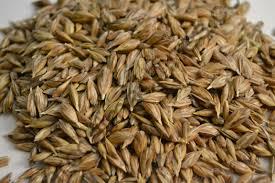
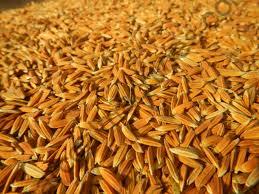
実際、1トンの木炭を生産できる米殻の量は、水分含有量、米殻のコスト、木炭生産プロセスなど、さまざまな要因によって影響されます。
まず、米殻やその他の材料の含水率、つまり材料の乾燥度と湿潤度です。インドは世界最大の米生産国です。毎年米が収穫されると、畑には大量の稲わらや殻が生産されるため、これらの材料から木炭を作ることはインドの顧客にとって良い投資です。
The degree of drying and wetness of rice husks affects the yield of charcoal. Generally speaking, rice husk after drying by the dryer with moisture content in about 10%, about 3 tons of such rice husk after briquettes making machine molding and carbonization furnace carbonization, can produce a ton of finished charcoal.
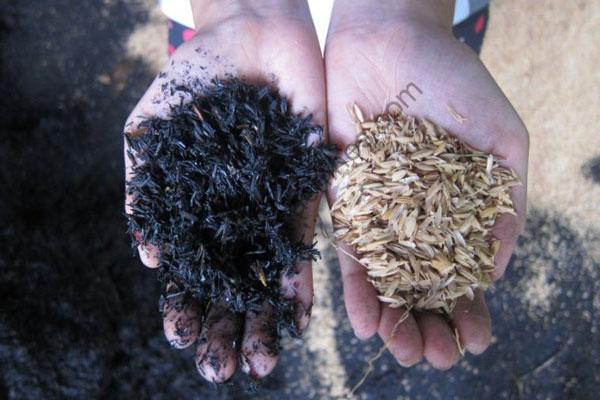
次に、米殻などの原材料のコストがあります。原材料のコストも、投資が利益を生むかどうかを考える上で重要な要素です。顧客の場所に十分で豊富な原材料があれば、木炭の生産コストは低くなり、収量と収入も安定します。
米殻やその他の原材料が不足している場合、木片、木屑、木片などの追加も検討できます。原材料の種類によって、1トンの完成した木炭を生産するために必要な量も異なります。
Finally, the production process of charcoal has an impact on charcoal yield. The more advanced the charcoal machine, the higher the production efficiency and the greater the output. For example, the charcoal-making machine should choose the one with good insulation performance and convenient cooling, which can save carbonization time and increase the output.
コメントは閉じられています。