
Wie viel kostet die Kohleherstellungsmaschine?
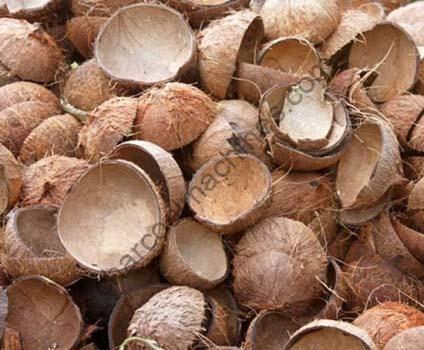
As we all know, Kohlenherstellungsgeräte is very efficient for making charcoal during the Kohleproduktionslinie. Which biomass materials can be turned into treasures by the charcoal production equipment? As a matter of fact, all the agricultural and forestry materials can be carbonized by the Carbonisierungsofen, like coconut shell, palm shell, paddy straw, corn cob, sawdust, branches, peanut shell, sugarcane bagasse, jute stem and so on.
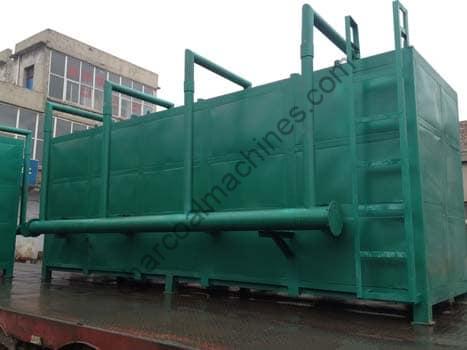
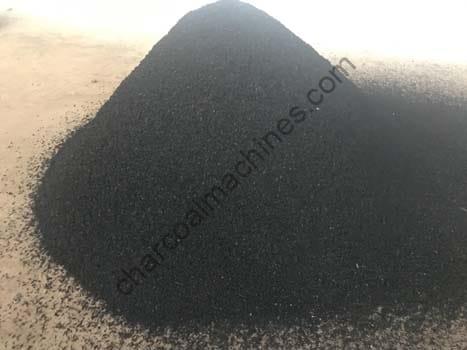
There are two ways to carbonizing these biomass materials by the carbonization machine: 1. these materials should be crushed into pieces with a diameter less than 5 mm and be dried to reduce the moisture content less than 12%. Then they can be extruded into pini kay by the Sägemehlbrikettmaschine.
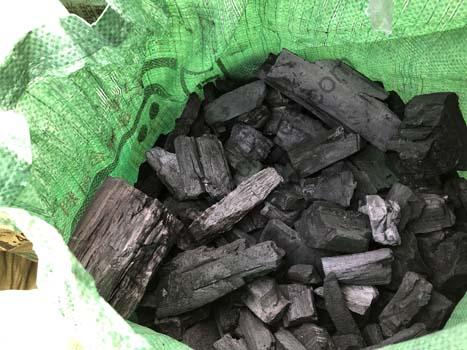
The last step is to carbonize these pini kay by the carbonization furnace. 2. the biomass materials also need to be crushed into chips with a diameter less than 10mm and their moisture content should be less than 20%. Then use the continuous carbonization furnace to turn these biomass materials into biochar. As for the final biomass biochar, you can also use a series of charcoal briquette processing machines to make your wanting Holzkohlebriketts.
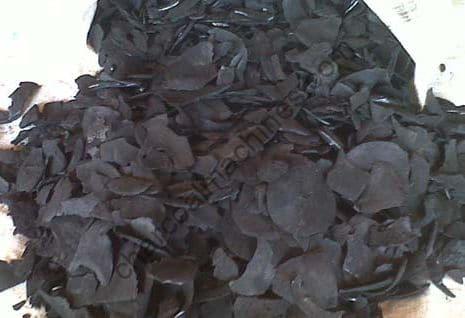
Wie ist der Preis für die Holzkohleherstellungsmaschine?
As for the investment of Kohlenherstellungsgeräte, there is a general formula to help you make your biochar production budget and set your charcoal making plant: the overall investment formula: equipment production site + equipment investment + raw material investment + labor investment + electricity cost = total investment. The following is the investment description of this charcoal production investment formula.
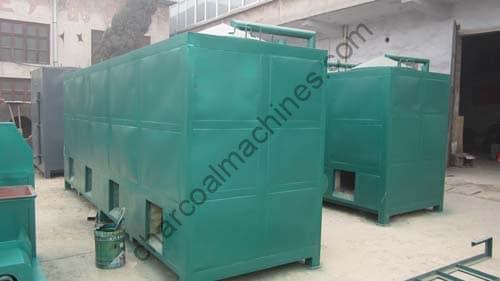
- Ausrüstungsproduktionsstandort: Der Produktionsstandort der Ausrüstung ist in der Regel im Besitz oder wird gemietet vom Kohlehersteller. Der Standort sollte entsprechend seiner Produktionsgröße positioniert werden. Für eine typische minimale Anlage sind etwa 30 Quadratfuß erforderlich.
- Ausrüstungsinvestition: Holzkohlehersteller sollten den Investitionsbetrag der Holzkohleherstellungsmaschine nach ihrer eigenen Holzkohleproduktionsskala bestimmen. Die allgemeine Klassifizierung lautet: Produktion von 1 Tonne fertiger Holzkohle pro Tag; Produktion von 2 Tonnen fertiger Holzkohle pro Tag; Produktion von 3 Tonnen fertiger Holzkohle pro Tag oder größere Holzkohleproduktionsskala.
- Rohstoffinvestition: Allgemeine Nutzer, die die Kohleherstellung durchführen, sammeln die günstigsten Rohstoffe in ihrer Region, um die Investitionskosten zu senken und die Gewinne zu steigern.
- Arbeitskraftinvestition: Dies basiert auf dem Umfang der Kohlemaschinenanlage. Im Allgemeinen benötigt die Ausrüstung zur Produktion von 1 Tonne fertiger Kohle pro Tag nur zwei Personen zum Betrieb.
- Stromkosten: 1 Tonne Kohlemaschine benötigt etwa 220 kWh pro Tag. Der genaue Preis kann entsprechend den lokalen Kosten pro kWh berechnet werden.
3 Kommentare